-

Robson at CUNY Law
Given recent reporting that raises the specter of a Presidential self-pardon, this unusual but not unprecedented question is in the air.
The place to start is with the Constitutional text itself, which is not […]

-

-
Robson at CUNY Law
Did Donald Trump admit to criminal activity? Generally, sexual touching or contact without a person’s consent is a crime. For example, here are some provisions of New York’s Penal Code that relate to the actions […]

-
Robson at CUNY Law
The Annual Equality Conversations at CUNY School of Law typically pair a CUNY Distinguished Professor with a Professor of Law for an interdisciplinary discussion of a topic relevant to the “Liberty, Equality, and […]

-
Robson at CUNY Law
Is New York’s Loitering for the Purpose of Engaging in a Prostitution Offense, NY Penal Code § 240.37[2], unconstitutional? An important new complaint filed in the federal court by The Legal Aid Society in D.H. v […]
-
Robson at CUNY Law
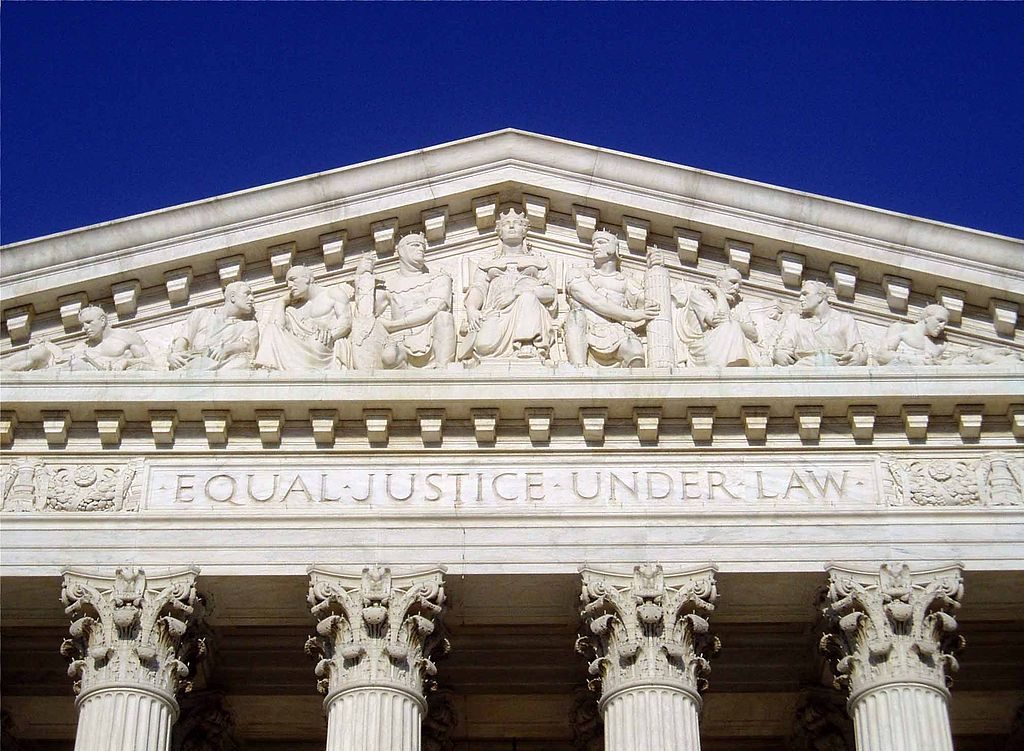
The United States Supreme Court hears only small fraction of cases: The Court hears about 80 cases a year, of the approximately 8,000 requests for review filed with the Court each year, flowing from the […]
-
Robson at CUNY Law
For academics in the Northern Hemisphere, August is a fulcrum.
It’s depressing: Our summer scholarship project(s) may still be incomplete, the deadlines seeming to be rebukes rather than reasonable […]
-
Robson at CUNY Law
Short answer: Probably sooner rather than later.
A Virginia school board has filed a stay application in the United States Supreme Court pending a petition for writ of certiorari to the Fourth Circuit’s opinion […]
-
Robson at CUNY Law
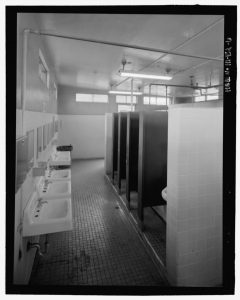
The controversial “bathroom statute” in North Carolina, HB2, regulates the proper use of sex-segregated facilities as consistent with one’s “biological sex,” defined as the “physical condition of being male or fem […]
-
Robson at CUNY Law
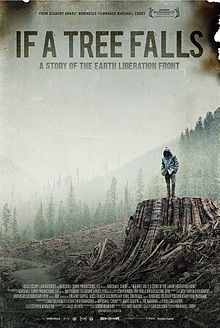
Maybe you’ve heard of Daniel McGowan? He’s well known as an environmental activist who lives in Brooklyn and featured prominently in the 2011 documentary, If a Tree Falls: A Story of the Earth Liberation Front […]
-
Robson at CUNY Law
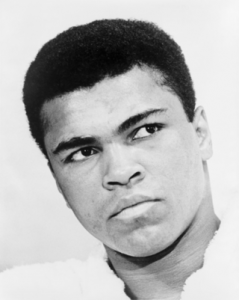
With the reported death of Muhammad Ali, f/k/a Cassius Clay, a look back at Clay v. United States (1971) seems appropriate. In Clay, the Court reversed Ali’s conviction for “willful refusal to submit to […]
-
Robson at CUNY Law
The context is an arrest during the 2011 Occupy Wall Street protests on Brooklyn Bridge and an allegation that there was differential treatment of a transgendered protester And while the complaint raised several […]

-
-
-
Robson at CUNY Law
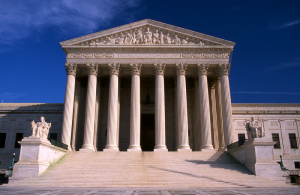 The Sixth Circuit’s opinion today in DeBoer v. Snyder upheld the constitutionality of several same-sex marriage bans, reversing the district court decisions in Kentucky, Michigan, Ohio, and Tennessee. This bucks […]
 -
Robson at CUNY Law
 While the Act of Settlement of 1701 is touted as a “resolution” of the relationship between Scotland and England that is again at issue with the Scottish independence vote, legal regulation of clothes tells a […]
 -
-
Robson at CUNY Law
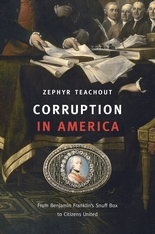 New Yorkers know that Zephyr Teachout is challenging incumbent Andrew Cuomo for Governor in the primary next week.
That challenge is linked to her book – – – entitled simply Corruption – – – just published by […]
-
-
Robson at CUNY Law
How do courts applying state law that requires “one man and one woman” for the validity of marriage look at marriages in which one of the parties has transitioned genders?
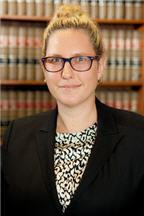 That’s an issue one of our CUNY Law alums, Alana Chazan (pictured), just litigated in California. While California, of course, now recognizes same-sex marriages so that gender should not have been an issue at all, the marriage at issue occurred in Louisiana, a state that does not recognize same-sex marriages.
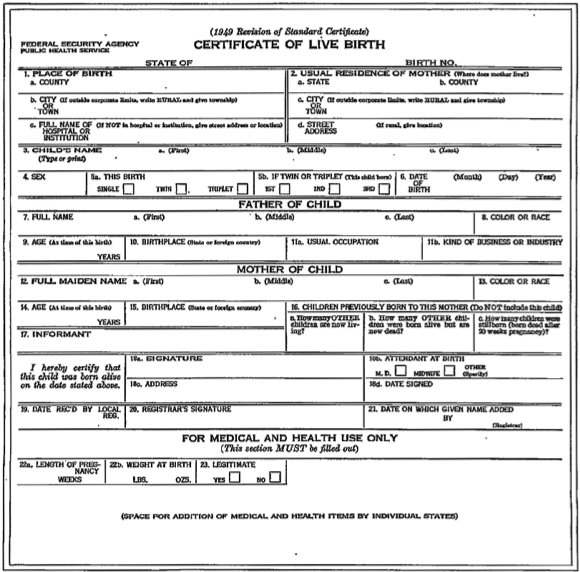
Superior Court Judge Gould-Saltman, in the Statement of Decision in Miller v. Angel considered the full faith and credit clause implications not only of the Louisiana marriage, but also of the California judgment that the petitioner was male, entered in 1998, years before the 2003 marriage. In essence, the judge rules, that California judgment was good enough for a driver’s license and it is good enough for a marriage license, arguments that there needed to be a birth certificate notwithstanding. The judge added that the putative spouse theory had relevance because the parties intended to be married to each other.
Why all the fuss about the validity of the marriage? There’s an underlying property dispute.
I considered similar issues almost a decade ago in an essay Reinscribing Normality? The Law and Politics of Transgender Marriage published in the anthology Transgender Rights edited by Brooklyn College Professor Paisley Currah, Shannon Minter, and Richard Juang. (A version also appeared in Hypatia as A Mere Switch or a Fundamental Change? Theorizing Transgender Marriage and is available here). The article analyzes the cases, their rhetoric, and also the lawyering choices that can pit individual interests against theoretical positions. And though I don’t generally list my own work on a class syllabus, this is one that I’ve made optional in Sexuality and the Law for many years.
And how nice to get a note with the opinion from one of the former students in the class who used the article to win a case.
Though how odd that such cases are still being litigated.
- Load More