-
Renee’s Communication Connection – Weekly Reflections Blog
Become a Communication Researcher Without Trying
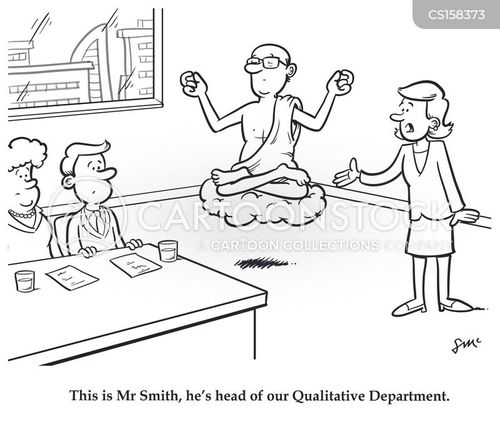 Chapter 6 explains that when we try certain communication strategies like asking our parents for money in a specific way and it works, we’re forming a hypothesis. If it keeps working, the theory gets stronger. If it fails, we adjust. This is the same process researchers use when they conduct formal studies they identify a focus, ask research questions, define key terms, choose a methodology, gather and analyze data, and interpret the results. The goal is to better understand how communication works in different situations and with different people. I’ve actually done this kind of “research” without even realizing it. For example, after a disagreement with a friend, I started experimenting with different ways of texting them. I noticed that phrases like “I understand” or “I feel” made them more willing to talk. Over time, I figured out what kind of tone and wording helped us reconnect. Now, I naturally adjust how I communicate based on who I’m talking to. That’s exactly what this chapter shows communication research doesn’t just happen in classrooms or labs. It’s something we do every day to improve how we connect with others. In the cartoon, it captures one of the big takeaways from Chapter 6, the different approaches to communication research. Mr. Smith, floating calmly on a cloud, is introduced as the head of the qualitative department. It’s a funny way to show how qualitative research is often more observational, open-ended, and human-centered. It reminded me of my own experience adjusting my texts. I wasn’t using numbers or data, but I was paying attention to patterns, context, and emotional tone. Just like Mr. Smith I was practicing real communicatio […] “Become a Communication Researcher Without Trying”
 -
-
Renee’s Communication Connection – Weekly Reflections Blog
Talking Through Screens
 We live in a world where mass communication and personal communication are no longer separate. The term masspersonal communication, introduced by O’Sullivan, explains how platforms like Instagram, Snapchat, and Twitter blur the line between broadcasting to the masses and speaking directly to someone. In the cartoon, a group of people are sitting together at dinner, but no one is truly present. One man is smiling at his phone, completely absorbed. A woman in the middle sarcastically asks, “I can never remember. Does the cellphone go on the right or the left?” while the person next to her is on a call, barely paying attention. This image highlights how social gatherings are often interrupted by digital distractions. It reflects the concept of mass personal communication. We’re physically together but mentally elsewhere. I see this in my life all the time. My friends and I will hang out, but instead of talking, we’ll send each other TikToks or DM each other memes even if we’re in the same room. We’re communicating, but through screens. At the same time, I stay connected with family across the country through Instagram stories and comments. That’s masspersonal communication, personal messages shared on public platforms, with both private and mass-level interactions happening at once. Mass communication has evolved into something deeply integrated into our social and emotional lives and I honestly can’t imagine a day witho […] “Talking Through Screens”
 -
Renee’s Communication Connection – Weekly Reflections Blog
Like a Girl—and Proud of It
 The cartoon I chose shows a boy and a girl playing soccer. The girl has just scored a goal, and the boy, clearly upset, says, “You play like a girl.” She cheers and replies, “And I win like one too.” This moment flips a common insult into a celebration, and it ties directly to what we learned in Chapter 13 Gender Communication. The chapter explains how gender is taught and reinforced through language, media, and culture. Phrases like “like a girl” have long been used negatively, implying weakness or lack of skill. This image shows how outdated that thinking is. The girl takes pride in her abilities and refuses to let her gender be used against her. That’s a big part of gender communication and how society shapes the way we see ourselves and each other based on cultural ideas about masculinity and femininity. This cartoon reminded me of something that happened during game night at my friend’s house. We were playing a trivia game, and one of my friends kept answering questions quickly and correctly. One of the guys jokingly said, “Wow, you’re smart for a girl,” and laughed it off. She didn’t say anything at the time, but I could tell it annoyed her. At first, I didn’t think much of it either, but later I realized how those little comments send a message that being smart isn’t expected from girls in the same way it is from boys. What stood out to me in the chapter was how gender isn’t just about how we look or act. It’s about how we’re expected to communicate and behave based on our culture. This cartoon reminds me that we all play a part in redefining those expectations. Saying “like a girl” should mean something strong, skilled, and proud, and it starts with how we co […] “Like a Girl—and Proud of It”
 -
Renee’s Communication Connection – Weekly Reflections Blog
Fitting Into the Puzzle
 The cartoon I chose shows seven people in a meeting sitting around a puzzle-shaped table. At the bottom, it says, “This is just one piece of the revenue puzzle.” It’s an interesting way to show how every person in a group plays a role and how effective group communication is key to making everything fit. Chapter 10 explains how people play different roles within groupstask roles, social roles, and individual roles. For a group to succeed, everyone has to contribute their “piece” and communicate clearly. If one person dominates or someone holds back, it throws the whole group off. The puzzle-shaped table in the cartoon made me think of this. If one person’s input is missing or ignored, the full picture can’t come together. I’ve experienced this in real life. During a group project at school, everyone had different strengths, but we didn’t always communicate well. At first, people were quiet or unsure of what to say. Once we started sharing ideas openly things came together a lot faster. We were like that puzzle, disconnected at first, but stronger when all the pieces were in place. This cartoon was a fun reminder that in any team or organization, every member matters. Good group communication means listening, speaking up, and respecting different roles. When people understand how they fit into the bigger picture, the results can be a lot more successf […] “Fitting Into the Puzzle”
 -
Renee’s Communication Connection – Weekly Reflections Blog
More Than a Paycheck, Why Ethics Matter
 I came across a cartoon of a businessman on the phone, sitting in an office completely filled with money. He says, “Get back to me as soon as possible.. I’m sitting on a pile of money.” It made me think about what we’re learning in the chapter about ethics in organizations. The cartoon really shows how some companies focus so much on making money that they forget about doing the right thing. The chapter mentioned Chevron as an example, where the company made billions but also caused serious environmental damage. It raises the question is the profit worth it if it means hurting people or the planet? This also made me reflect on my own experiences at work. I remember a time when someone on my team took credit for work they didn’t really do to try to get a raise. It wasn’t a huge scandal, but it still didn’t sit right with me. I didn’t speak up, and later I wondered if I should have. That’s the kind of stuff this chapter makes you think about, how our everyday choices matter. The cartoon may be funny, but it points to something real, like making money shouldn’t come at the cost of our values. Being honest and doing the right thing at work matters mor […] “More Than a Paycheck, Why Ethics Matter”
 -
Renee’s Communication Connection – Weekly Reflections Blog
Same Scene, Different Story
 This editorial cartoon humorously illustrates how verbal communication plays a role in defining reality. The image shows two businessmen sitting on a tree branch, with one calmly stating, “Sometimes it’s just good to sit back and get a different perspective,” while they are clearly in an absurd and precarious situation. This moment ties directly to the subheading Verbal Communication Helps Us Define Reality from the chapter. The man’s words reflect his choice to define the situation positively, despite the obvious discomfort and impracticality of sitting on a tree limb in business attire. The chapter says that when we talk about things, we’re not just describing them we’re also showing how we feel about them. We get to decide how we see and talk about our experiences. In this case, the man defines an unusual circumstance as an opportunity for reflection and perspective, rather than as ridiculous or unprofessional. This cartoon reminded me of a group project I worked on last semester, where people had very different views of the same situation. I called our experience “a disaster” because we were behind schedule and disorganized. But one teammate called it “a challenge” and focused on learning from the process. His positive language helped change the whole team’s attitude, making us more collaborative and less stressed. This showed me how the words we use shape how we feel and react just like the cartoon’s different perspectives on the same number. Language doesn’t just describe reality; it helps […] “Same Scene, Different Story”
 -
-
Renee’s Communication Connection – Weekly Reflections Blog
Message Received… But Not Really
 The editorial cartoon I chose shows a job interview where the employer says they’re looking for someone with “great interpersonal communication skills.” Instead of responding verbally, the candidate texts “I’m dman 4u” while sitting right in front of the interviewer. This cartoon relates to Chapter 9’s key term, Interpersonal Communication. The cartoon mocks how digital habits and a lack of self awareness can interfere with genuine human interaction. It highlights a failure to demonstrate basic communication cues like eye contact, tone, and active listening, all of which are essential to meaningful interpersonal exchanges. The cartoon reminded me of a real-life experience. At a previous job, I noticed that many of the younger employees often avoided face to face communication, even during team meetings. One colleague, in particular, would frequently text replies to our manager instead of speaking directly, which often caused confusion and led to missed social cues. This behavior reflects the concept of disconfirming messages discussed in the chapter, which contribute to a negative communication climate. Similarly, the candidate in the cartoon shows a lack of respect for the in person interaction by relying on a text message, highlighting a breakdown in both social awareness and emotional intelligence. This cartoon is a funny but honest reflection of how interpersonal skills are not just about what we say, but how we say it. In a world dominated by screens, it reminds us that effective communication requires presence, effort, and respect for the context something Chapter 9 […] “Message Received… But Not Really”
 -
-
Renee’s Communication Connection – Weekly Reflections Blog
Are We Even Listening Anymore?
 The cartoon I chose shows two employees talking about their boss, saying, “When I first started working here, I thought our boss would be a good listener. But, that hasn’t been the case.” This ties perfectly into what we’ve been learning in this chapter, especially under the key term “listening skills” and the subheading “barriers to effective communication.” The cartoon shows how poor listening, especially from someone in a leadership role, can really impact the workplace environment. This also ties in with what the article mentioned about the growing number of communication ethics courses on college campuses. These classes are designed to help students think about the deeper meaning behind how we communicate not just speaking, but really listening with purpose. It’s more than just sharing your opinion. It’s about being fully present, paying attention to others, and showing respect. That kind of mindful listening is exactly what’s missing in the cartoon and unfortunately, in a lot of real workplaces too. I can relate to this cartoon personally. At one of my past jobs, I had a manager who would ask for feedback but then ignore what we said. It made us feel unheard and frustrated, and eventually no one even bothered speaking up. That’s exactly what poor communication can lead to silence and disconnection. Reading about the development of communication as its own academic field really makes me appreciate how important this stuff is, not just in theory, but in everyd […] “Are We Even Listening Anymore?”
 -
Renee’s Communication Connection – Weekly Reflections Blog
Talk to Me not the screen
 This cartoon connects to the chapter “Foundations: Defining Communication and Communication Study.” A key term from the chapter is “Communication Happens in Context.” The dinner table is a place where family members are expected to talk and spend time together. The woman is upset because the person across from her is not paying attention; they’re on their phone instead of engaging. Her angry comment is an example of nonverbal and verbal communication working together. Her face and words both show frustration and a demand for respect in that social moment. This reminds me of times when people around me including myself have used our phones during important moments, like when we’re out for dinner, instead of being fully present with each other. It can feel like the phone matters more than the people in front of you. I’ve seen situations where someone gets upset because no one is really “there” in the moment. This cartoon reminds me how important it is to be fully present, especially with people who care abo […] “Talk to Me not the screen”
 -
-
-