

-

News Literacy Matters
David G Alm edited the blog post The News Industry is Changing—Fast. It Always Has Been.The News Industry is Changing—Fast. It Always Has Been.
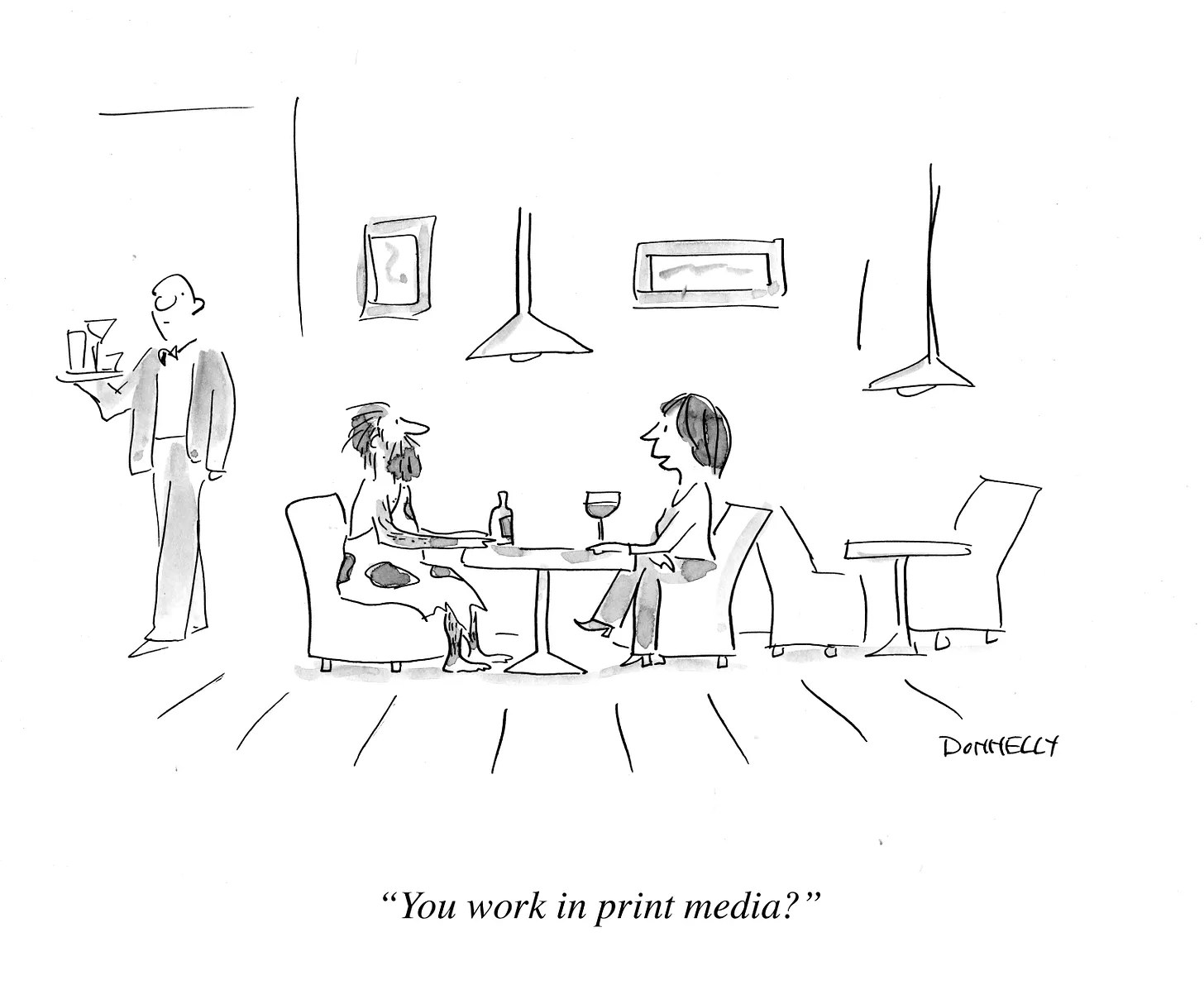 In late July, Hunter Biden, the embattled son of former President Joe Biden, sat down for an interview. It […]
 -
News Literacy Matters
David G Alm edited the blog post Where Stories Come From, How To Report Them, and Why IMVAIN is so ImportantWhere Stories Come From, How To Report Them, and Why IMVAIN is so Important
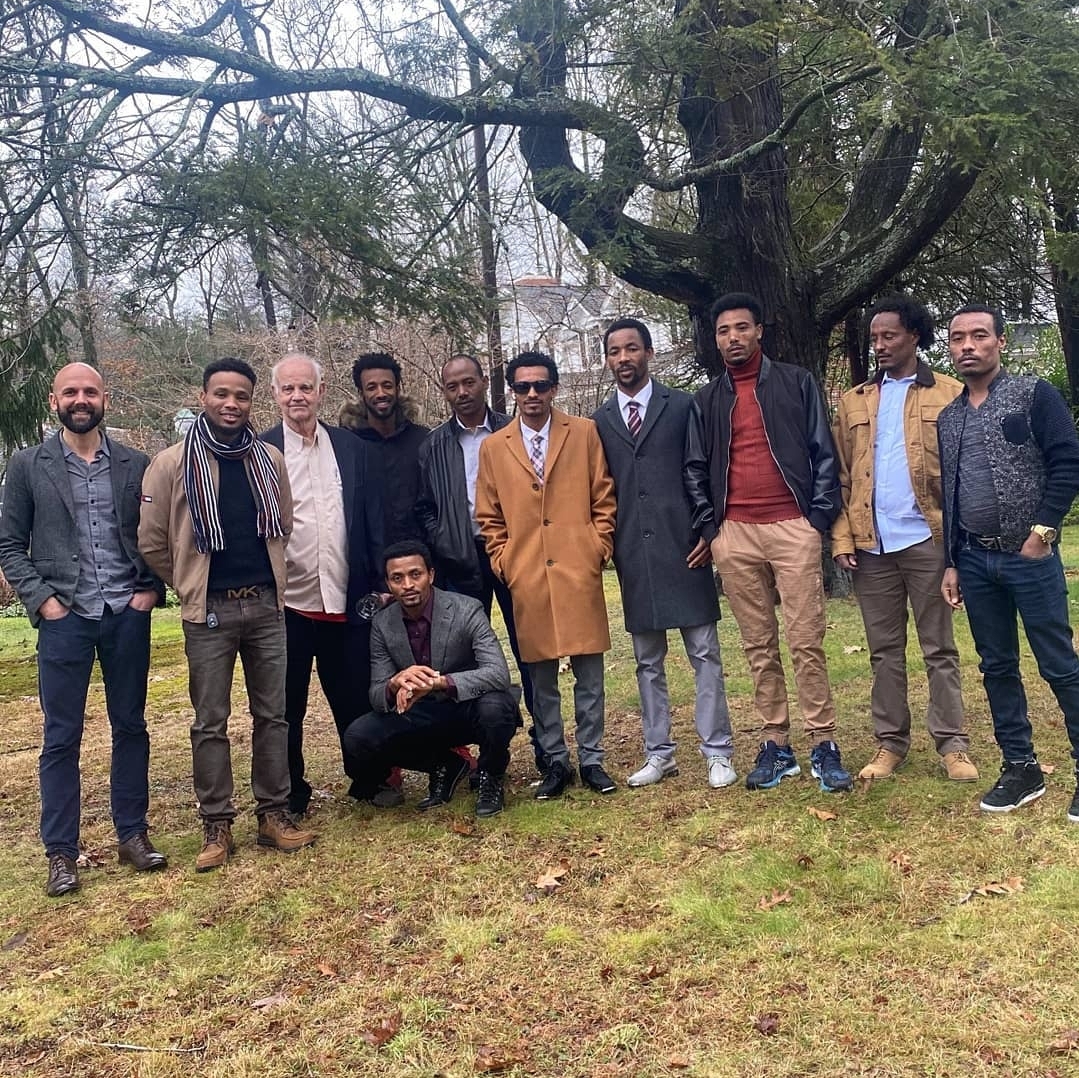 One cold morning in November 2020, I was running in Brooklyn with my friend James. We often talked about the […]
 -
News Literacy Matters
David G Alm edited the blog post Q: What is the difference between news and truth?A:
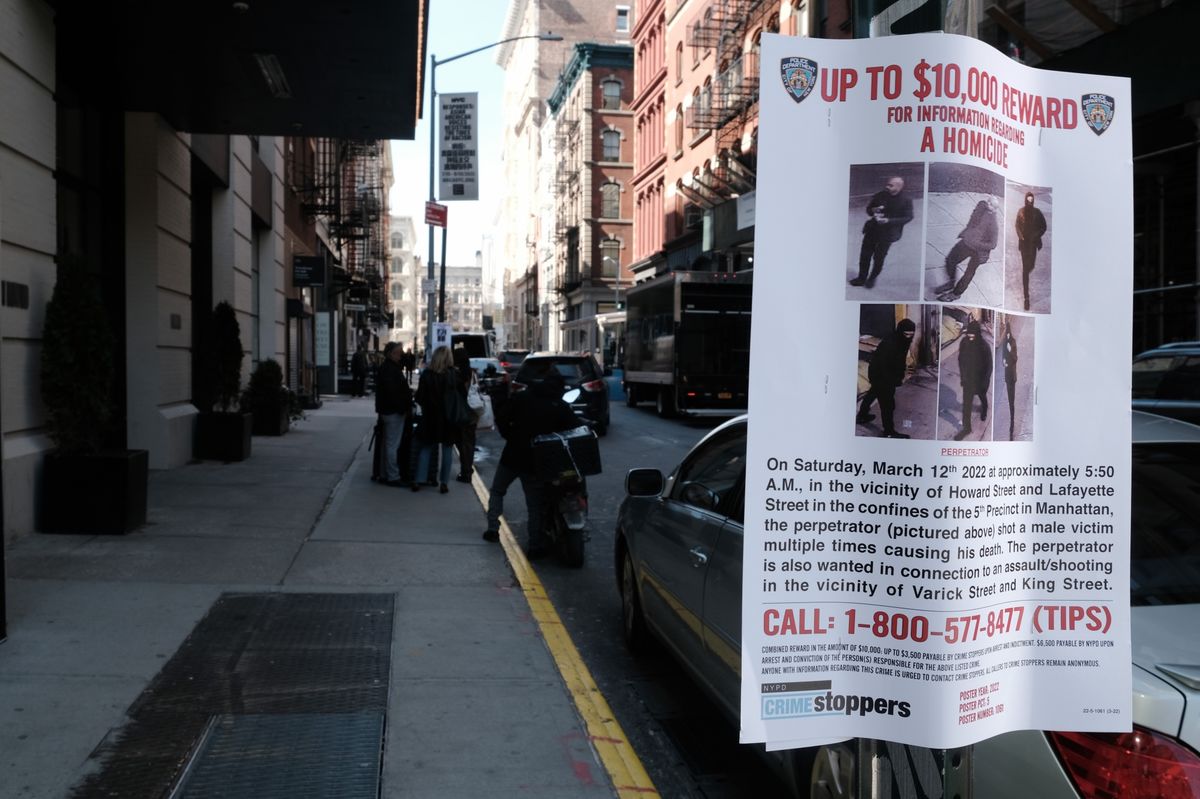
Men were dying. Homeless, indigent, alone, often asleep on city streets or in subway cars. No one knew when the next death might occur. The locations were adding up, too: Washington, then New York. Was […]
-
-
-
News Literacy Matters
David G Alm edited the blog post Q: It's said that newsrooms do not reflect the racial makeup of the country, but census data contradicts that claim. What gives?A:
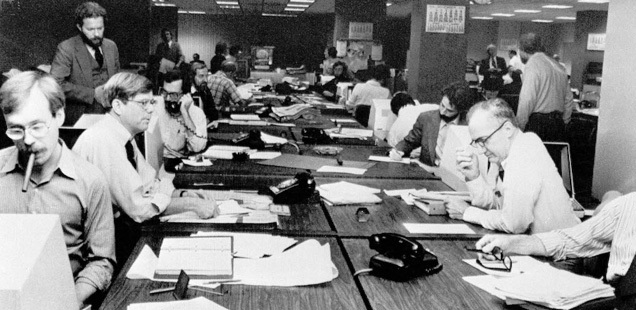
This is an excellent question and a tough one to answer. According to the Pew Research Center, newsrooms are 77 percent white, which seems disproportionate at first glance. But according to 2020 census […]
-
News Literacy Matters
David G Alm wrote a new blog post Q: What's the appeal of conspiracy theories?A:
Humans are storytellers. We like narratives that take the random chaos of life and put it into a coherent structure. The alternative is too difficult to live with: a world where nothing adds up to […]

-
News Literacy Matters
David G Alm edited the blog post Q: How do 'wingnuts' obtain a platform?A:
For better or for worse, by being really good at it. As with just about everything else, popularity is profitable. And because the media industry is, ultimately, an industry, profits rule.
Perhaps a […]

-
News Literacy Matters
David G Alm edited the blog post Q: How do you verify information on social media?A:
In many ways, this question gets to the very core of what this course, News Literacy in a Digital Age, is all about. These days, news and information are virtually synonymous with social media for the […]

-
News Literacy Matters
David G Alm edited the blog post Q: Is it OK to source information from biased or unreliable outlets, like RT or Breitbart?A:
It depends entirely on what we mean by “information” and how we use that information. Following outlets known to be overtly biased or propagandistic can be essential for understanding the current debate on […]

-
News Literacy Matters
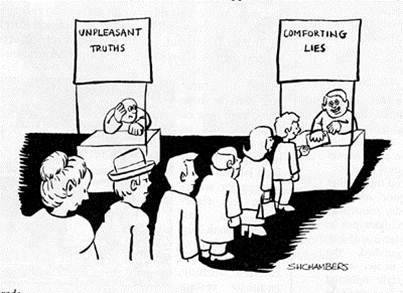
David G Alm edited the blog post Q: How can journalists prove they are not biased when covering politics?A:
People are, by definition, subjective. Each of us has our own lens on the world, filtering experience and information through our own individual psyches. That’s what makes us human, rather than robots. But […]
-
News Literacy Matters
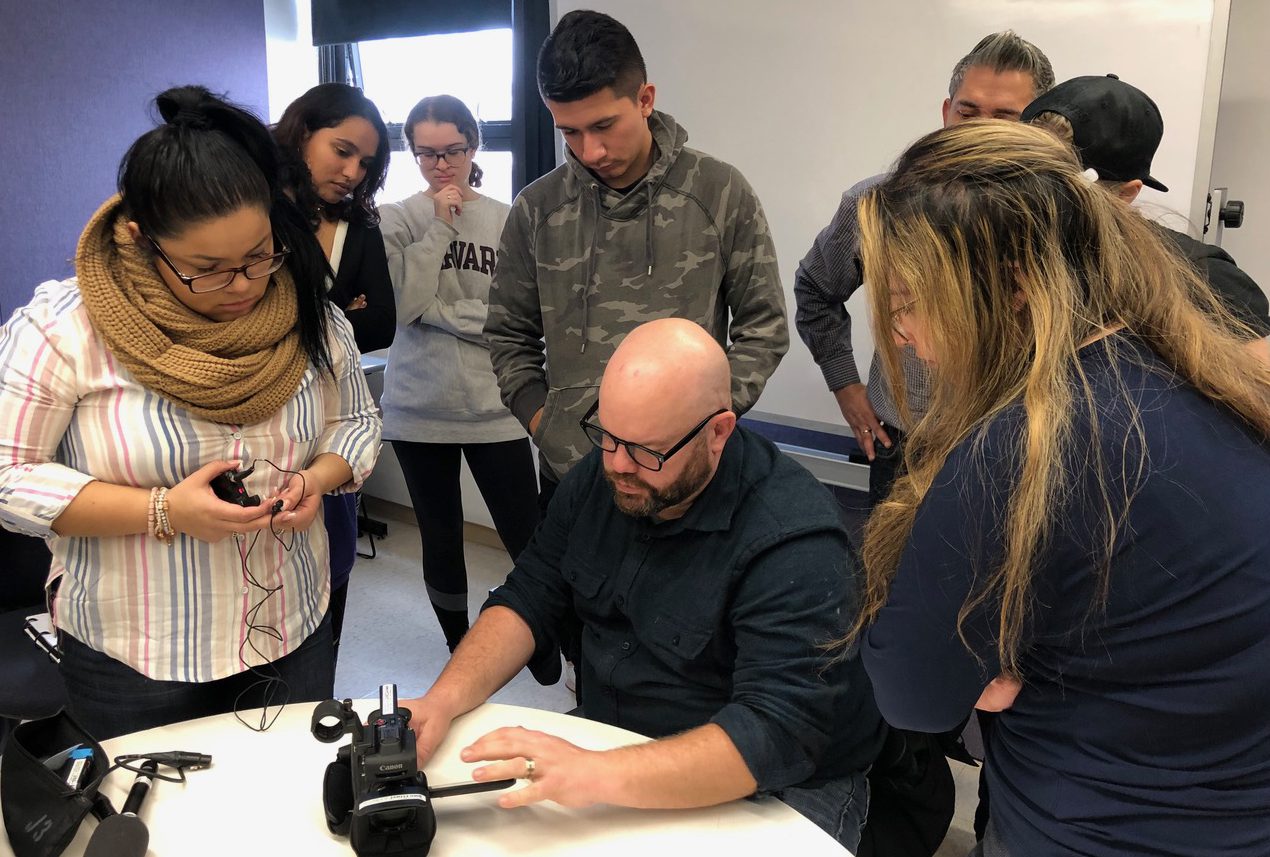
David G Alm edited the blog post Q: If you don't need a degree in journalism to be a reporter or fact-checker, why do people study journalism in school?A:
Studying journalism in school can expedite your career, allowing you to acquire certain skills in the classroom that others who didn’t study journalism have to learn on the job. It can also give you access […]
-
News Literacy Matters
David G Alm wrote a new blog post Q: If news organizations sometimes run stories to appease corporate interests, do they also ignore stories for the same reason?A:
To start, the word “appease” may be too strong in this context. But that doesn’t mean that, sometimes, in the real world, the wall between corporate interests and journalistic independence can be […]
-
News Literacy Matters
David G Alm edited the blog post Q: Why does China still censor its media?A:
If you can control what people know, then you can control what they think. And if people think only what the government wants them to think, then the government can maintain the order it wants. The problem, […]

-
News Literacy Matters
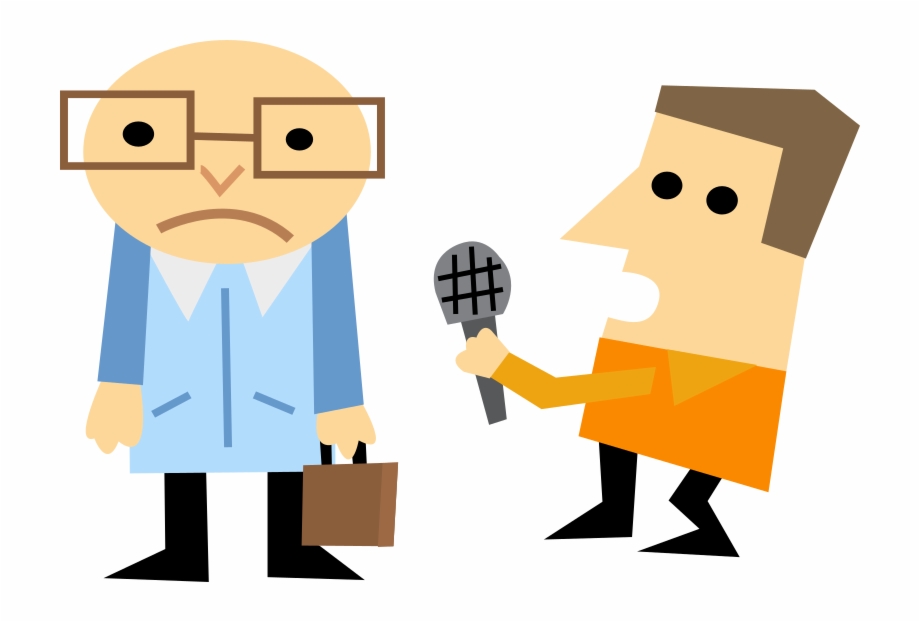
David G Alm edited the blog post Q: How do you work with sources who are cooperative but don't elaborate?A:
Interviewing people is both a science and an art. On the one hand, you want to maintain professional decorum and journalistic best practices by never misleading or lying to your sources to get the story, as […]
-
News Literacy Matters
David G Alm edited the blog post Q: What does 'If it bleeds, it leads' mean?A:
Basically, if there’s violence, conflict or death involved, it gets top billing. Nowhere is this more true than in television news, which coined the expression, “If it bleeds, it leads.”
That’s mainly […]

-
News Literacy Matters
David G Alm edited the blog post Q: How can a journalist be credible if working at a news outlet with left or right leanings?A:
Simple: by maintaining journalistic integrity. But, that’s easier said than done. First, let’s discuss what journalistic integrity even means.
Integrity is often used as a synonym for “good” or “upright” […]
-
News Literacy Matters
David G Alm edited the blog post Q: With all the fact-checking resources we have now, would it still be possible to do what Stephen Glass did?A:
Sure, if all we’re talking about is making stuff up. As we all know, fake news abounds. But Glass was writing for some of the most prominent magazines in the country, including The New Republic, […]

-
News Literacy Matters
David G Alm edited the blog post Q: Does 'lateral reading' work with on-air and printed news reports?A:
Certainly — after all, that’s how we lived before the web. But it’s a fairly antiquated way of consuming information these days. Nevertheless, the question offers an opportunity to think about the […]

-
News Literacy Matters
David G Alm wrote a new blog post Q: Aren't partial quotations taken out of context and therefore unreliable?A:
Not if it’s done right. Selecting only a phrase or even a single word from what a source said to use in a verbatim quote doesn’t mean the reporter is fundamentally misrepresenting what the source said. […]
- Load More
