
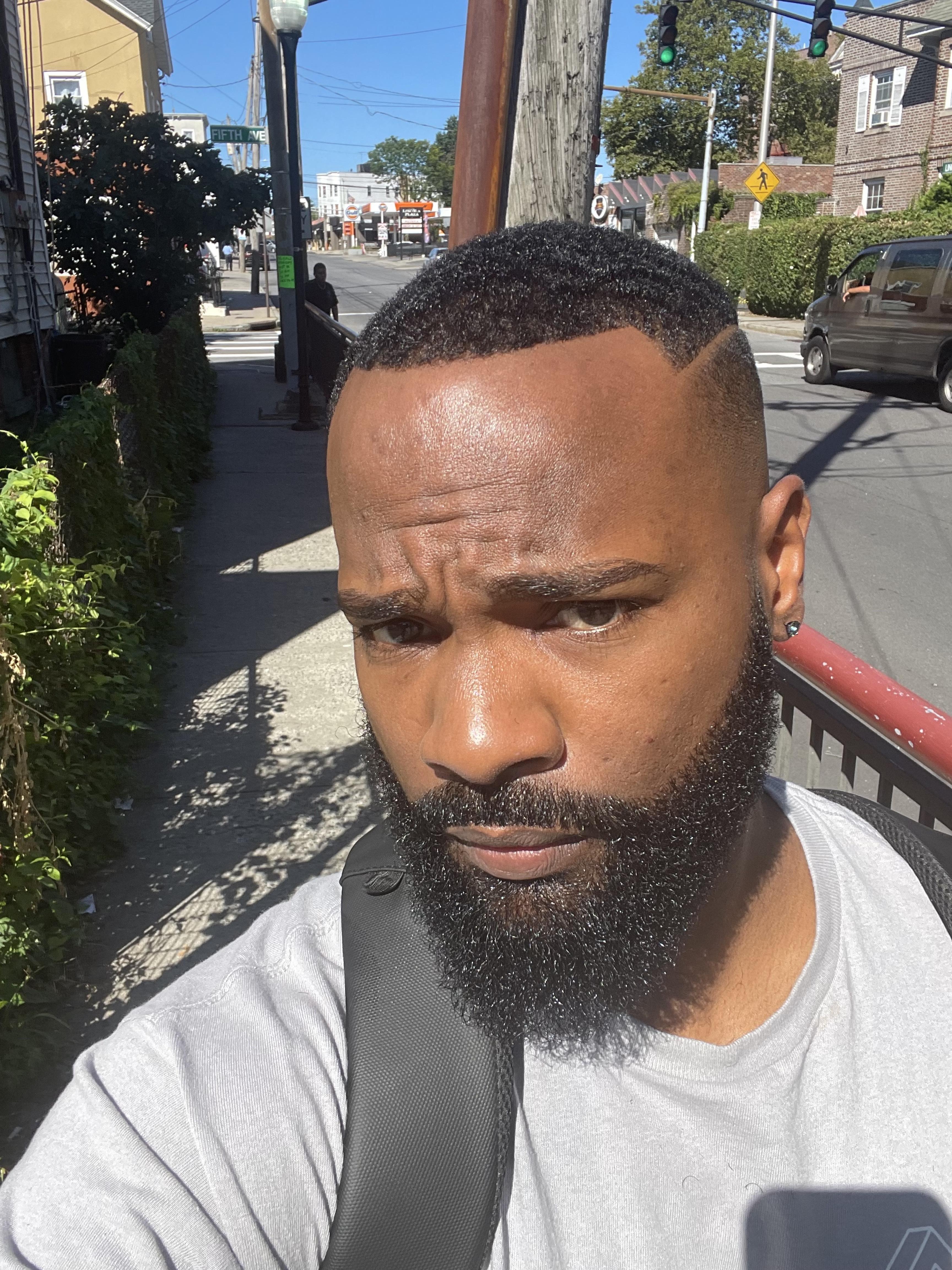
Isaias Perez
(he/him/his)
Learning to Write as an Engineer: Communication, Analysis, and Responsibility
I am a computer engineering student at the City College of New York with a strong interest in artificial intelligence and technical problem-solving. This portfolio showcases my work from ENGL 21007: Writing for Engineering and reflects my development in technical communication, data analysis, and audience-focused writing. My goal is to apply engineering principles responsibly to real-world systems.
Social
Contact
Website
CUNY Academic Commons Portfolio Page
Education
- Education
- City College of New York (CUNY)
- Bachelor of Engineering, Computer Engineering
- Expected Graduation: 2027
- Borough of Manhattan Community College (CUNY)
- Associate of Science, Computer Science
- Graduated: June 2025
- Honors: Dean’s List (2024)
Positions
Projects
This portfolio represents my work and learning throughout ENGL 21007: Writing for Engineering. Over the course of the semester, I learned that effective engineering communication is not only about technical accuracy, but also about clarity, organization, and audience awareness. Through analytical writing, experimental reporting, collaborative projects, and technical description, I strengthened my ability to communicate complex ideas responsibly. The assignments included in this portfolio reflect my growth as both a writer and a future engineer.
Museum Analysis Essay
The museum analysis essay required close observation and critical interpretation of artifacts from the Greek and Roman galleries at The Metropolitan Museum of Art. This assignment strengthened my information literacy, as I relied on museum sources and contextual research rather than personal opinion. It also improved my reading skills by requiring careful interpretation of visual and written materials. Through drafting and revision, I refined my analysis and improved clarity. Writing for an academic audience helped me understand how engineers must communicate observations clearly and thoughtfully.
Dice Roll Probability Lab Report
The dice probability lab report introduced me to formal engineering-style writing. This assignment emphasized synthesis, as I combined experimental data, probability theory, tables, graphs, and written explanation into one cohesive report. I practiced proper citation using APA style and learned to explain numerical results clearly. The project strengthened my use of technology through Excel-based calculations and data visualization, reinforcing the importance of precision and structure in engineering communication.
Group Proposal Project
The group proposal project emphasized the importance of collaboration in engineering writing. Working with classmates required shared responsibility, discussion, and compromise to produce a unified document. Through group drafting and revision, I learned how to integrate multiple perspectives into a single coherent proposal. Writing for a professional audience reinforced the importance of clarity, organization, and purpose.
Technical Description: Artificial Intelligence
The technical description assignment challenged me to explain complex technical concepts related to artificial intelligence in an accessible way. This project strengthened my information literacy through research using credible academic sources and reinforced correct citation practices. It emphasized audience awareness by requiring a balance between technical accuracy and readability. By combining definitions, processes, and applications, I practiced synthesis and learned how engineers communicate emerging technologies responsibly.
Conclusion
Overall, ENGL 21007 strengthened my ability to analyze information, revise my writing, and communicate technical ideas clearly and ethically. Through reading, drafting, collaboration, synthesis, and use of technology, I developed skills that will support my future coursework and career. This portfolio reflects my growth as a writer who understands that effective communication is a fundamental responsibility of engineers.
Academic Interests
My academic interests center on computer engineering with a growing focus on artificial intelligence and machine learning. I am particularly interested in how data, algorithms, and computational models enable systems to learn, make decisions, and solve complex problems. I want to deepen my understanding of AI not only from a software perspective, but also in how it interacts with hardware, cloud infrastructure, and real-world constraints. In addition, I am interested in the ethical and responsible development of AI, including issues of bias, transparency, and societal impact. My long-term goal is to work on intelligent systems that are technically sound, scalable, and beneficial to society.
